



Unlock the Editor’s Digest for free
Roula Khalaf, Editor of the FT, selects her favourite stories in this weekly newsletter.
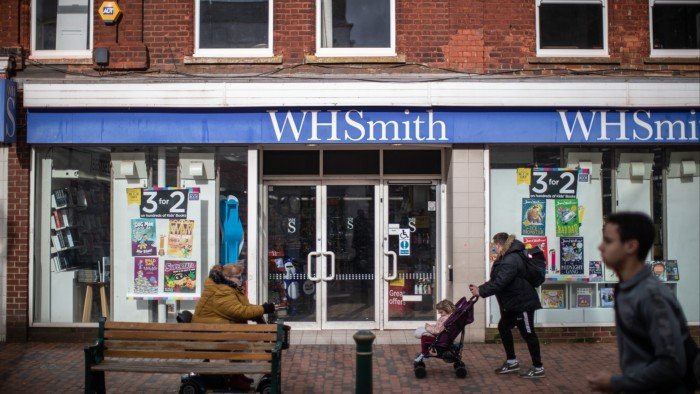
The UK’s financial regulator is making enquiries at WHSmith about accounting errors uncovered at the retailer’s US business as the watchdog assesses a potential breach of UK disclosure rules.
The Financial Conduct Authority’s questions have added to the scrutiny of WHSmith, which said last week its chief executive had resigned after an independent review found revenues and profits had been overstated for the past three years.
“We are aware of the reports and we are engaging with the firm,” the FCA told the Financial Times. The watchdog, which monitors disclosures by listed UK companies, is yet to decide whether to open a formal investigation.

WHSmith said: “We will co-operate with any regulatory enquiries arising following last week’s announcement.”
The retailer disclosed in August that payments it received from suppliers when they ran promotions had been booked as income earlier than they should have been.
London-listed companies must comply with market abuse regulations and the FCA’s rules on listings, prospectuses and public disclosures that are designed to protect investors and the integrity of markets.
WHSmith’s recent admission has similarities with Tesco’s revelation in 2014 that it had overstated profits by an amount that ultimately rose to £326mn “due to the accelerated recognition of commercial income and delayed accrual of costs”.
In 2017, the FCA required Tesco to offer an estimated £85mn of redress to its investors who bought shares in the weeks after its overstated results were published. The supermarket group also paid a £129mn fine for a deferred prosecution agreement with the Serious Fraud Office.
The FCA often handles disclosure rule breaches through supervisory actions. However, in serious cases of misleading public announcements, it can take enforcement action, which ranges from fining a company to bringing criminal charges against its executives.
In 2022, two former executives at Aim-listed IT provider Redcentric were sent to prison for making false and misleading statements to the market and false accounting after being prosecuted by the FCA.
In the same year, the FCA fined three former executives of Carillion a total of £874,200 for making misleading public statements that “did not accurately or fully disclose the true financial performance” of the collapsed construction group.
The trio of former Carillion executives — including ex-chief executive Richard Howson — have appealed against their fines to the Upper Tribunal, with a hearing set for February. The regulator also publicly censured Carillion and said it would have fined the company £37.9mn if it had not already been in liquidation.
Earlier this year, the Upper Tribunal reduced the fines the FCA imposed on two former Metro Bank executives for breaching listing rules after the lender published inaccurate information about its loans and other assets.
WHSmith said last week that “supplier income recognition” had been overstated for several years, meaning trading profit in its North American operation would be £5mn to £15mn, down from reduced £25mn guidance set in August and market expectations of £55mn before that.
It also warned of a retrospective £13mn reduction in its 2024 supplier income and a cut of about £5mn in its 2023 income, some of which would be brought forward to future years.
The FT reported on Friday that the Financial Reporting Council, which regulates the accounting profession, is weighing whether to formally investigate PwC over its role as WHSmith’s auditor since 2015.
PwC was also the auditor of Tesco and Redcentric at the time of their erroneous accounting disclosures.



