



Stay informed with free updates
Simply sign up to the Cryptocurrencies myFT Digest — delivered directly to your inbox.
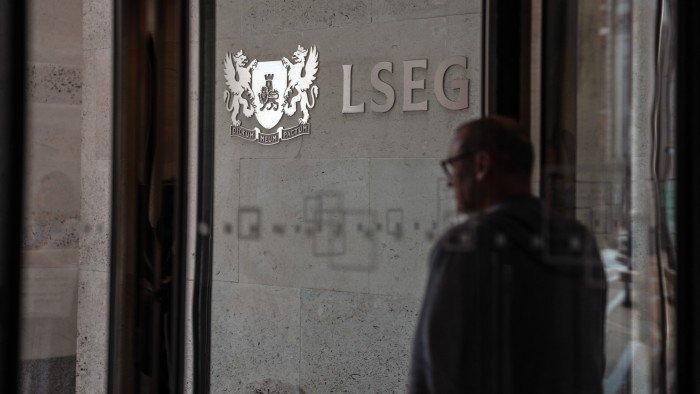
A British cryptocurrency company plans to list on the London Stock Exchange, marking the first such move for a digital assets business in recent years as the UK warms to the industry.
KR1, an Isle of Man-based crypto “staking” company, plans to move its listing from the small cap Aquis exchange to the LSE’s main market, as it seeks to broaden its appeal to institutional investors.
“It’s a starter gun for this new asset class on the LSE,” KR1 co-founder Keld van Schreven told the Financial Times, adding that he expected more crypto companies to follow by either uplisting like KR1 or doing new listings in London.

Several so-called digital asset treasury companies are listed on the LSE, such as London BTC Company and Panther Metals. But their business models almost entirely involve raising money to buy and hold cryptocurrencies such as bitcoin. Bitcoin miner Argo Blockchain listed on the LSE in 2018 but plans to delist soon as it enters restructuring.
Van Schreven said KR1, which has a market value of about £56mn, was the “first authentic digital asset company going on LSE that’s not just pure play financial engineering”.
He added that the LSE had tougher rules than Aquis and that KR1 had therefore had to hire an auditor and expand its board.
The company is an early-stage investor in digital asset tokens and has made more than 100 investments so far, Van Schreven said.
It also makes money by “staking” cryptoassets on blockchains including Ethereum and Polkadot. This involves locking up tokens on a blockchain network in order to help secure and validate transactions on the blockchain, for which the “staker” earns additional crypto tokens.
Van Schreven said the company was “doubling down on staking” and by listing on the LSE, hoped to be the go-to choice for investors seeking exposure to this part of the crypto market. “As soon as we go on the LSE, anyone in the world can invest in us,” he said.
The Financial Conduct Authority has faced pressure from crypto advocates to be more open to digital assets, while the US has embraced the sector under Donald Trump this year.
British crypto companies have been disheartened by what they perceive as unnecessarily strict rules policing how they promote their products to retail customers, and how they register with the UK regulator.
Van Schreven said the FCA had “absolutely” become more open to crypto companies recently: “They’ve hired a lot of people internally . . . they’ve put a lot more resources into this asset class.”
In a further sign of the FCA’s change in approach, crypto exchange-traded products began trading on the LSE last week, giving retail traders access to products tracking the price of bitcoin and ether. The FCA plans to introduce a full regulatory framework for the UK crypto market next year.
Van Schreven said KR1’s uplisting from Aquis to the LSE’s main market would be completed next month.



